"The moment you doubt whether you can fly, you cease for ever to be able to do it."
– J.M. Barrie
Hello there fellow knitter!
This is The Yarnist. The daily newsletter that makes you love knitting the same way Highland Saga loves bagpipes.
Disclaimer: This newsletter may contain sponsored ads and affiliate links. When you buy using them, you support our work here at The Yarnist, as we get a small commission.
Knitspiration
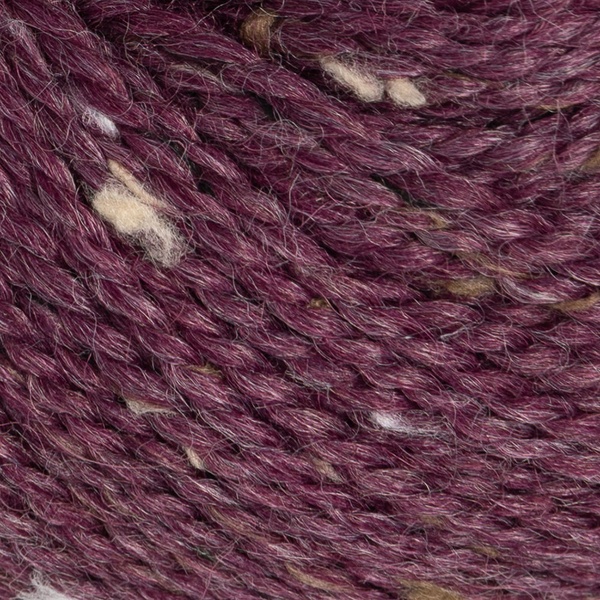
Purple tweed yarn by distelfliege (via Wikimedia Commons)
🧥 Tweed: The yarn that got its name by mistake
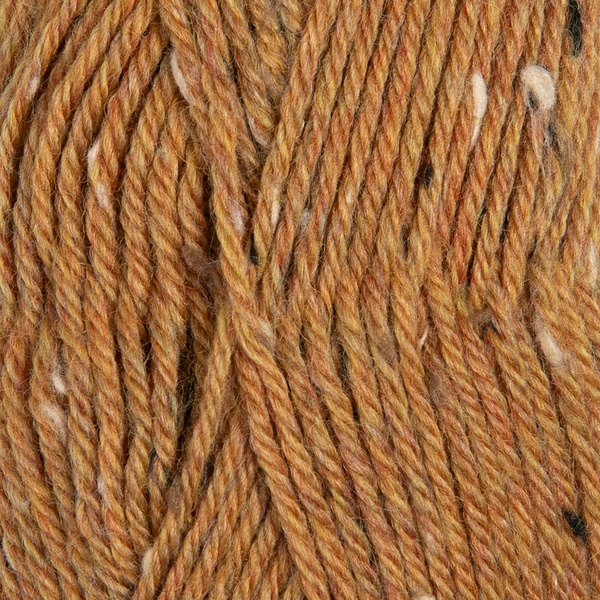
I have a thing for "interesting" looking yarns.
I'm not talking about the crazy rainbow silk ribbon stuff that looks like unicorn muppet lost it's tail.
I have some of that too but that's not what I mean.
Ever since I started knitting I have always loved yarns that depth.
Texture.
A little something extra.
That rustic vibe that calls out and says...
...knit me.
When Brooklyn Tweed launched in 2010 I had just started knitting.
I couldn't wait to get my hands on some.
To be honest, it was a bit too rustic for me.
But the colors, with those flecks of oddly satisfying contrasting bits, were something I always admired.
Sadly Brooklyn Tweed stopped making yarn in 2025, but they were not the only tweed game in town.
So what exactly is tweed, and why do so many knitters love it?
Where tweed got its name
A Harris Tweed weaver at his Hattersley loom, around 1960 (via The Harris Tweed Authority)
Tweed started out as a fabric, not a yarn.
It was woven in Scotland and Ireland to stand up to cold, wet weather, which is why it ended up on so many hunting jackets.
The Scots called it tweel, their word for twill.
As the story goes, around 1831 a London merchant named James Locke got a letter about some "tweels" from a cloth maker in the town of Hawick.
He misread the handwriting.
He figured the cloth was named after the River Tweed, which runs right through Scotland's textile country, so that's what he called it when he sold it.
The name stuck.
The most famous tweed today is Harris Tweed, which by law has to be handwoven by islanders in their own homes in the Outer Hebrides.
And over in County Donegal, Ireland, weavers became known for tweed sprinkled with little flecks of color.
Those flecks are what you're looking at when you pick up a ball of tweed yarn today.
What makes a yarn tweed?
Donegal tweed and its little flecks of color (via Wikimedia Commons)
Tweed yarn is a solid or heathered yarn with little bits of other colors mixed in before it's spun.
That's it.
Those little bits are called neps.
Traditionally they were tiny knots of dyed wool, but these days a lot of them are viscose, and sometimes even acrylic.
So when you see "Donegal tweed" in the fiber content on a label, it's usually talking about the flecks.
You might be wondering how that's different from a speckled yarn.
A knitter asked me the same thing during one of our knitting weekend events.
The difference is how the color is incorporated.
With tweed, the flecks are spun right into the yarn, so you get a little bit of texture along with the color.
With a speckled yarn, the dye gets splashed on after the yarn is spun, so the dots just sit on the surface.
Gorgeous colors of the now discontinued Brooklyn Tweed yarns
What's so great about tweed
It makes your plain knitting look fancy.
Even a simple stockinette sweater looks like you put in a lot more effort than you did.
It's forgiving.
All those little flecks make your wonky stitches a lot harder to spot.
It's warm without being heavy.
Many classic tweeds are woolen spun, which makes them springy and full of air, so you get the warmth without the weight.
And it loves colorwork.
Rowan Felted Tweed is a longtime favorite for fair isle, because its slightly fuzzy fibers grab onto each other and hold your stitches in place.
Drawbacks of tweed
It can be scratchy.
Rustic wool feels rustic, and the flecks can be a little stiff.
If your skin is sensitive, you can look for a tweed blended with merino or alpaca.
The flecks can fall out.
A few of them will work their way loose as you knit.
That's normal, and you'll still have plenty left.
It can hide your stitch patterns.
Depending on how busy the yarn is it might compete with more subtle texture patterns.
It can work fine with chunky cables and even some lace. Just keep in mind who is going to be the star of the show, the yarn or the texture.
😍 Tweed Yarns We Love
If you want to give tweed a try, these are the ones we'd start with.
One of the most popular tweed yarns ever made, and a favorite for fair isle. It's light and a little fuzzy, and the colors are gorgeous. And yes, it comes in orange.
Before a new bolt of Harris Tweed was ready to wear, it had to be waulked. A group of women would soak the cloth and thump it against a table, over and over, until it shrank and softened. To keep the rhythm, they sang...
Deal of the Day
Glocusent Neck Reading Light (26% Off)
Dark tweeds can be hard to see once the sun goes down. This light hangs around your neck and shines right on your hands, so you can actually see your stitches.
Before you go...below you'll find a few ways we can work together, and other bits & bobs:
Here's some ways to take our relationship to the next level:
☕️ Buy us a coffee (Now accepting PayPal!) Each of our emails is the culmination of many hours of research and lots of cups of coffee. If you want a simple way to show your appreciation you can buy us a coffee here.
🗝️ Become A Yarnist Insider Unlock exclusive bonus content in every issue, listen to long lost interviews, and get early access to new videos. All for under $2 per week! Become a supporter today!
Your Email Preferences:
You're receiving this email because you signed up for the Yarnist, a daily digital newsletter for Fearless Knitters.
If you don't remember doing that, you might have had a little too much wine that night...or it could be Gremlins. Can't stand those guys. Always causing mischief.
Your email address is Reader and your first name is Reader. To update your info click here.
.jpg)